

The Allure of Chance and Uncertainty
The psychology of casino gaming is deeply rooted in the allure of chance and the uncertainty it brings. Gamblers are often attracted to the idea of winning without effort, which provides a thrilling escape from daily life. This element of chance can lead to emotional highs and lows that create a rollercoaster of experiences for players, encouraging them to explore options like briscorentals.co.uk for their next gaming adventure. The unpredictability of outcomes taps into the human desire for excitement and adventure, appealing to both novice and seasoned players alike.
This attraction is further enhanced by cognitive biases that influence decision-making. One major bias is the “gambler’s fallacy,” where individuals believe that past events affect future outcomes. For example, a player might think that after a series of losses, they are “due” for a win, leading them to continue playing longer than planned. This fallacy perpetuates the belief that luck can change at any moment, enticing players to chase losses and prolonging their gaming sessions. Such cognitive distortions can trap players in a cycle of hope and despair.
Moreover, the design of casino games is meticulously crafted to enhance the thrill of uncertainty. Bright lights, engaging sounds, and immersive environments stimulate players’ senses, creating a captivating atmosphere that heightens the emotional impact of the gaming experience. This sensory overload contributes to a disconnection from reality, allowing players to lose track of time and money, reinforcing their engagement with these games. The combination of these elements makes it difficult for players to resist the temptation of trying their luck again.
The Role of Reward Systems in Gambling
Reward systems play a crucial role in the psychology of casino gaming. Casinos utilize various techniques to encourage optimal participation, such as variable ratio reinforcement, where players receive rewards at unpredictable intervals. This unpredictability makes the reward feel more significant, leading to even greater excitement and an intoxicating sense of possibility. Each spin of the slot machine or turn of a card offers a chance for a reward, which can trigger the brain’s pleasure centers, releasing dopamine and reinforcing the desire to continue playing.
Additionally, the concept of near misses can heavily influence a player’s mindset. A near miss occurs when a player comes close to winning but ultimately falls short. Research suggests that near misses can provoke feelings of hope and motivate players to keep trying, as they perceive themselves as being “just one step away” from success. This psychological phenomenon often leads players to invest more time and money, hoping to eventually claim that elusive win. The allure of being so close can be more enticing than the win itself, perpetuating the cycle of play.
Casinos also employ promotional tactics, such as comp points and loyalty programs, to further ingrain themselves into a player’s routine. These systems offer tangible rewards for frequent play, enhancing customer retention. Players may feel a sense of ownership over these rewards, creating a compelling incentive to return to the casino. This attachment can lead to players tying their self-worth to their gaming success, further complicating their relationship with gambling as they seek validation through wins.
The Impact of Emotions on Gambling Behavior
Emotions play a significant role in gambling behavior, influencing decisions and outcomes in various ways. The excitement of winning can trigger euphoric feelings, reinforcing the desire to gamble more. Conversely, losing can lead to frustration and disappointment, pushing players to chase their losses in hopes of regaining what they initially lost. This emotional cycle can create a toxic loop where losses lead to increased risk-taking behavior driven by the desire to overcome negative experiences. Understanding this cycle is crucial for recognizing when gambling may be becoming problematic.
Furthermore, the social dynamics of gambling can amplify emotions. Many casinos create communal atmospheres where players can cheer for one another’s successes, enhancing feelings of camaraderie. This social aspect fosters a sense of belonging, which can encourage individuals to gamble more frequently. However, it can also lead to peer pressure, where players feel compelled to continue playing to maintain their social ties, even if it’s detrimental to their financial well-being. This interplay of social influence and emotional response can significantly affect gambling behavior.
The emotional highs and lows experienced during gambling can also affect mental health. For some, the thrill of betting can become a coping mechanism for stress or anxiety, leading to compulsive gambling behaviors. Understanding the emotional triggers behind gambling is critical in addressing problem gambling, as it allows for more effective interventions and support systems for individuals who may be struggling with their gaming habits. Recognizing emotions as a driving force can help individuals navigate their gaming experiences more healthily.
The Influence of Environment on Gambling Experience
The environment in which gambling occurs significantly influences the overall gaming experience and subsequent behaviors. Casinos are designed to create a welcoming yet stimulating atmosphere that can prolong gaming sessions. Elements such as lighting, sound, and layout are meticulously crafted to enhance the experience and keep players engaged. For instance, the absence of windows and clocks creates a sense of timelessness, allowing players to lose track of time, which can lead to longer gambling sessions than initially intended. This carefully curated environment is vital for maintaining player engagement.
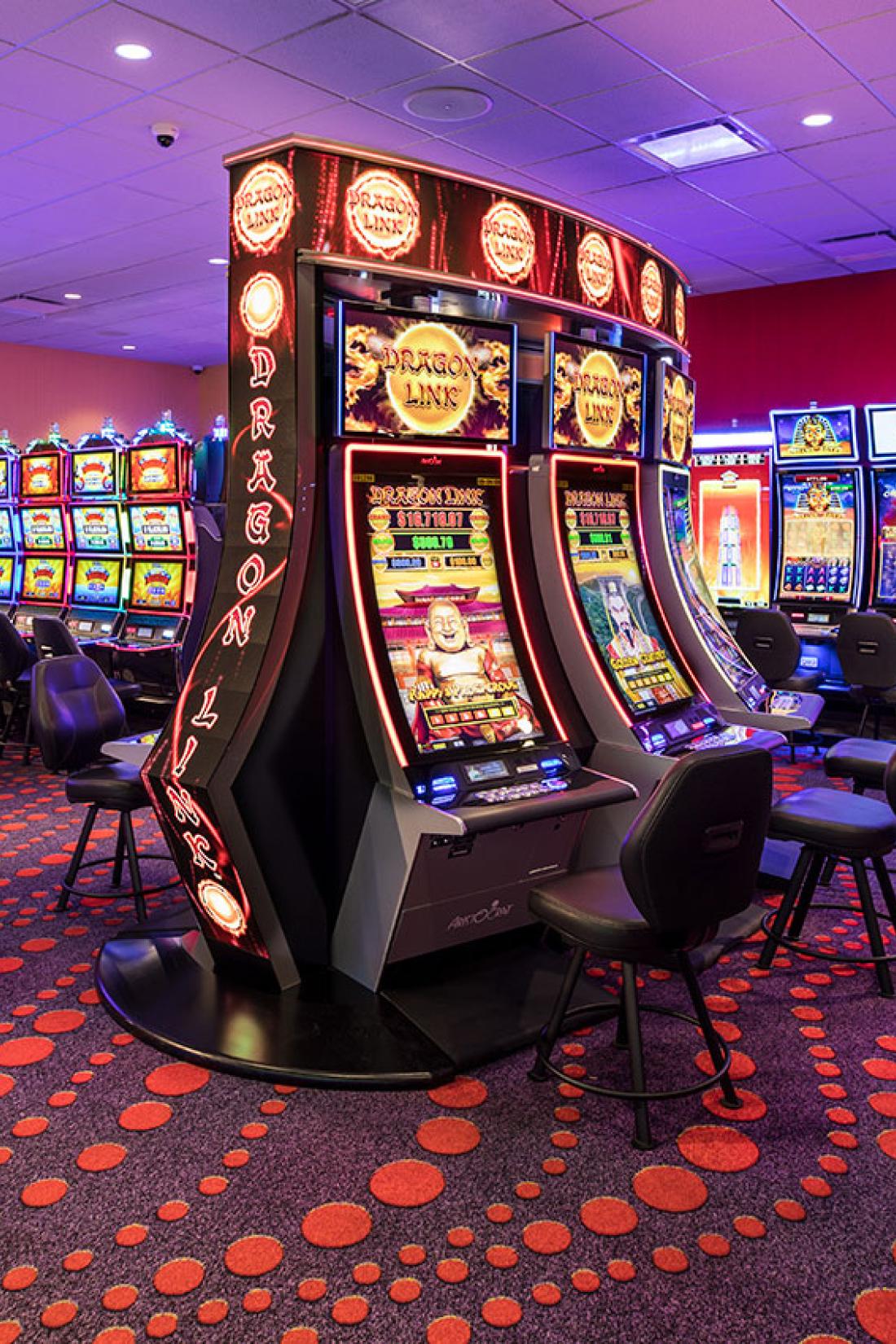
Moreover, the strategic placement of games and amenities within a casino can affect player behavior. High-stakes games are often positioned in high-traffic areas to attract more players, while lower-stakes games may be placed in quieter sections. This strategic layout can encourage players to take risks they might not otherwise consider, as they feel the excitement and energy of the crowd around them. The thrill of being part of a larger group can sway even the most cautious players to engage in behavior they typically wouldn’t, leading to impulsive decisions.
The availability of complimentary services, such as free drinks and meals, is another way casinos leverage the environment to encourage gambling. These perks create a sense of hospitality, making players feel valued and more inclined to spend additional time and money at the casino. By psychologically manipulating the environment, casinos ensure that players remain immersed in the gaming experience, often leading to increased spending and prolonged engagement. This hospitality aspect is a calculated strategy to enhance the overall gambling experience.
Understanding Responsible Gaming Through Psychology
Understanding the psychological factors involved in casino gaming is essential for promoting responsible gaming practices. By recognizing the emotional triggers, cognitive biases, and environmental influences on gambling behavior, players can make informed decisions. Responsible gaming encourages individuals to set limits on spending and time spent gambling, helping prevent the negative consequences associated with gambling addiction. This awareness is the first step toward fostering a healthier relationship with gaming.
Moreover, casinos can play a significant role in fostering responsible gaming by incorporating measures that promote awareness and provide support. Initiatives such as providing information on responsible gambling practices, offering self-exclusion programs, and enabling players to set personal limits can make a profound difference in preventing problematic behaviors. It is vital for casinos to create an environment that emphasizes entertainment rather than financial escape, ensuring that players view gaming as a leisure activity rather than a necessity.
In conclusion, the psychology behind casino gaming is complex and multifaceted, intertwining emotional, cognitive, and environmental factors. By understanding these aspects, players can become more self-aware and better manage their gaming habits. It is essential for both individuals and casinos to work together to ensure that gaming remains an enjoyable pastime, promoting a healthy relationship with gambling and reducing risks associated with problem gambling. This collaborative effort is crucial for sustaining the integrity of the gaming experience for all involved.